
Embark on a journey through Modern Education, where minds are molded for the future. This introduction sets the stage for an insightful exploration of the evolving landscape of education, blending innovation and tradition seamlessly.
As we delve deeper, we uncover the intricate tapestry of educational facets that define our learning experiences in today’s dynamic world.
Education Definition
Education is the process of acquiring knowledge, skills, values, and attitudes that help individuals develop intellectually, socially, and emotionally. It plays a crucial role in shaping individuals and societies, contributing to personal growth and societal progress.
Types of Education
- Formal Education: This type of education is structured, intentional, and usually provided in schools and institutions. It follows a specific curriculum and leads to certifications or degrees.
- Informal Education: Informal education occurs outside the traditional classroom setting and is often spontaneous and unstructured. It includes learning from daily experiences, interactions, and observations.
- Non-formal Education: Non-formal education is organized and systematic but does not necessarily lead to formal certification. It can include workshops, training programs, and skill development courses.
Role of Education in Personal and Professional Development
Education is essential for personal growth as it equips individuals with knowledge, critical thinking skills, and problem-solving abilities. It helps individuals develop a sense of curiosity, creativity, and adaptability, which are crucial for navigating life’s challenges. In the professional realm, education provides the foundation for acquiring specialized skills, expertise, and qualifications necessary for career advancement and success.
Education Essay
Education plays a crucial role in shaping individuals and societies by providing knowledge, skills, and values that contribute to personal growth and community development. It is a fundamental human right that empowers people to reach their full potential and lead fulfilling lives. Education is not just about acquiring academic knowledge but also about developing critical thinking, problem-solving abilities, and a sense of social responsibility.
Empowerment Through Education
Education empowers individuals by opening up opportunities for personal and professional growth. Through education, people gain the necessary skills and knowledge to pursue their passions, achieve their goals, and make informed decisions. For example, a person who receives a quality education is more likely to secure a well-paying job, contribute positively to society, and lead a healthier lifestyle.
Education also helps individuals develop self-confidence, resilience, and a sense of agency in shaping their own destinies.
Impact on Economic Growth and Social Progress
Education is closely linked to economic growth and social progress. Countries with higher levels of education tend to have stronger economies, lower levels of poverty, and greater social cohesion. Education equips individuals with the skills needed to participate in the workforce, innovate, and adapt to changing economic conditions. Moreover, educated populations are more likely to engage in civic activities, promote democratic values, and advocate for social justice.
Investing in education is crucial for building a prosperous and equitable society for all.
Education Games
Educational games have become a popular tool in enhancing learning experiences for students of all ages. By incorporating elements of gameplay into educational content, these games can make learning more engaging and interactive.
One of the key benefits of educational games is that they can help students retain information better compared to traditional teaching methods. The interactive nature of games allows students to actively participate in the learning process, leading to improved retention and understanding of the material.
Popular Educational Games and Their Effectiveness
- Math Blaster: A popular game that helps students improve their math skills through fun and interactive gameplay. Research has shown that students who play Math Blaster regularly show significant improvement in their math abilities.
- TypingClub: An educational game designed to improve typing skills. By turning the learning process into a game, TypingClub helps students learn how to type faster and more accurately, leading to better productivity in school and beyond.
- Civilization VI: While not specifically designed for education, Civilization VI is a strategy game that can teach students about history, geography, and critical thinking skills. The game encourages players to make strategic decisions and learn from the consequences, making it an effective educational tool.
Gamification in Education
Gamification is the integration of game mechanics into non-game contexts, such as education, to engage and motivate students. By incorporating elements like points, badges, and leaderboards, educators can make learning more interactive and enjoyable for students.
Gamification can improve engagement and retention in education by tapping into the natural human desire for competition, achievement, and rewards.
Education History
Education has a rich history that has evolved over centuries, shaping societies and civilizations. From ancient times to the modern era, education has played a crucial role in the development of human knowledge and advancement.
Ancient Education Systems
Education in ancient civilizations such as Mesopotamia, Egypt, Greece, and Rome was primarily reserved for the elite class. Knowledge was passed down orally through teachers and mentors, focusing on subjects like philosophy, mathematics, and rhetoric.
- Ancient Greece established the first formal education system with institutions like the Academy founded by Plato and the Lyceum by Aristotle.
- In ancient India, the Gurukul system emphasized holistic education, combining academic learning with physical, moral, and spiritual development.
- Ancient China’s Confucian education system focused on moral values, ethics, and social hierarchy.
Medieval and Renaissance Education
During the Middle Ages, education was largely centered around religious teachings in monasteries and cathedral schools. The Renaissance period saw a revival of learning, with humanism emphasizing the importance of classical education and individual development.
- The invention of the printing press by Johannes Gutenberg in the 15th century revolutionized the spread of knowledge and literacy across Europe.
- The establishment of universities like Oxford and Cambridge in the 12th and 13th centuries marked the formalization of higher education.
Modern Education Systems
The Industrial Revolution in the 18th and 19th centuries transformed education, leading to the rise of public schooling and compulsory education laws. The 20th century saw the proliferation of educational reforms, including the emphasis on standardized testing, vocational training, and digital learning technologies.
- Key milestones include the development of the Montessori method by Maria Montessori, emphasizing child-centered education.
- The Universal Declaration of Human Rights in 1948 recognized education as a fundamental human right, paving the way for global efforts to achieve universal education access.
Education Film

In the world of cinema, education is a recurring theme that often reflects societal values, challenges, and aspirations. The portrayal of education in films has a significant impact on how society perceives teaching, learning, and the educational system as a whole.
Themes in Popular Movies
- One common theme in popular movies is the transformative power of education. Films often depict how education can change individuals’ lives, open up opportunities, and inspire personal growth.
- Another prevalent theme is the struggle for equal access to quality education. Movies shed light on the disparities in educational opportunities based on socio-economic status, race, or geographical location.
- Some films explore the unconventional methods of teaching and learning, challenging traditional educational norms and encouraging creativity and critical thinking.
Representation of Teachers and Students
- Teachers are often portrayed as dedicated, inspirational figures who go above and beyond to make a difference in their students’ lives. They are shown as mentors, motivators, and role models who shape the future.
- Students, on the other hand, are depicted facing various challenges such as academic pressure, social issues, and personal struggles. Films highlight their resilience, growth, and triumphs in the face of adversity.
- The teacher-student relationship is a central focus in many educational films, showcasing the impact of positive mentorship and meaningful connections on students’ academic performance and personal development.
Education Banner
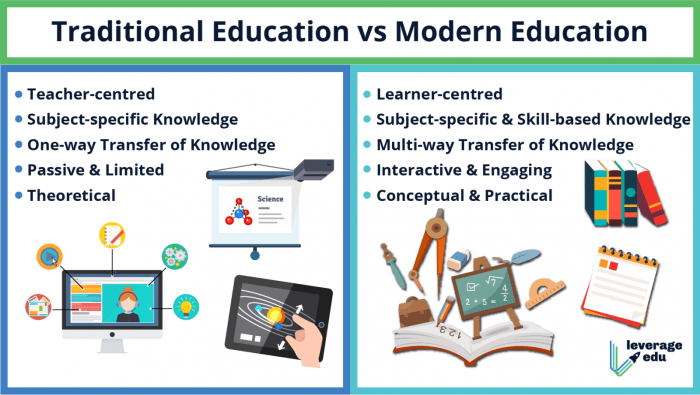
Banners play a crucial role in educational institutions by serving as powerful tools for communication, promotion, and branding. Whether it’s showcasing key information, highlighting achievements, or promoting upcoming events, banners have the ability to grab attention and convey messages effectively to students, parents, and the larger community.
Tips for Designing Effective Educational Banners
- Keep it simple and concise: Ensure that the message is clear and easy to read from a distance.
- Use eye-catching visuals: Incorporate images, graphics, and colors that are appealing and relevant to the educational context.
- Include key information: Include essential details such as event dates, contact information, and any relevant calls to action.
- Consider placement: Position banners in high-traffic areas where they are likely to be seen by the target audience.
- Ensure durability: Use high-quality materials that can withstand different weather conditions if banners are displayed outdoors.
Promoting Educational Events and Initiatives with Banners
Banners can be effectively used to promote educational events and initiatives such as open houses, workshops, fundraising drives, or awareness campaigns. By strategically placing banners in key locations within the institution or around the community, educational institutions can generate interest, increase participation, and create a sense of excitement around these activities. Additionally, banners can help in reinforcing the institution’s brand identity and mission, creating a visually cohesive environment that aligns with its values and goals.
Education Counselor
Education counselors play a crucial role in guiding students towards academic and career success. They provide support, advice, and resources to help students navigate their educational journey effectively.
Role of an Education Counselor
Education counselors assist students in setting academic goals, choosing appropriate courses, and developing study skills. They also help students explore career options, apply for colleges or universities, and access financial aid resources. Additionally, education counselors provide emotional support and guidance to students facing personal challenges that may impact their academic performance.
Skills and Qualifications
- Strong communication skills to effectively interact with students, parents, and faculty.
- Empathy and understanding to connect with students on a personal level.
- Knowledge of academic requirements, career pathways, and counseling techniques.
- Master’s degree in counseling or a related field, along with relevant certifications.
Challenges and Rewards
- Challenges: Dealing with diverse student needs, balancing workload, and managing emotional stress.
- Rewards: Making a positive impact on students’ lives, witnessing their growth and success, and contributing to their future achievements.
Education Degree
In today’s competitive job market, pursuing higher education degrees has become increasingly important to stand out and advance in various career fields. Education degrees come in various levels, each offering different opportunities and career prospects.
Bachelor’s Degree
A Bachelor’s degree is typically the first level of post-secondary education and provides a solid foundation in a specific field of study. Common types of Bachelor’s degrees include Bachelor of Arts (BA), Bachelor of Science (BS), and Bachelor of Education (BEd). This degree usually takes around four years to complete and opens up entry-level job opportunities in a wide range of industries.
Master’s Degree
A Master’s degree is a more advanced level of education that allows individuals to specialize further in their chosen field. Common types of Master’s degrees include Master of Arts (MA), Master of Science (MS), and Master of Education (MEd). This degree typically takes one to two years to complete and can lead to higher-paying positions and increased job responsibilities.
PhD (Doctorate) Degree
A PhD, or Doctorate degree, is the highest level of education one can achieve and is designed for those who wish to conduct research, teach at the university level, or pursue leadership roles in their field. This degree can take several years to complete and requires a significant research project or dissertation. A PhD can open doors to prestigious academic positions and high-level roles in various industries.
Comparison of Educational Disciplines
Different educational disciplines offer unique career prospects. For example, individuals with degrees in STEM fields (Science, Technology, Engineering, Mathematics) often have high-demand skills and can secure well-paying jobs in industries like healthcare, technology, and engineering. On the other hand, degrees in fields like education, social sciences, or humanities can lead to careers in teaching, research, counseling, or advocacy.
Value of Pursuing Higher Education Degrees
In today’s job market, having a higher education degree can significantly increase one’s earning potential and career opportunities. Employers often prefer candidates with advanced degrees for leadership positions, specialized roles, and research-oriented jobs. Additionally, higher education degrees demonstrate a commitment to learning, critical thinking, and problem-solving skills, which are highly valued in today’s fast-paced and competitive workforce.
In conclusion, Modern Education stands as a beacon of progress, illuminating pathways to knowledge and growth. This comprehensive overview leaves us with a profound understanding of the transformative power of education in shaping tomorrow’s leaders.
Commonly Asked Questions
What is the significance of non-formal education?
Non-formal education provides flexible learning opportunities outside traditional classroom settings, catering to diverse learning needs.
How do educational games impact student engagement?
Educational games enhance student engagement by making learning interactive and fun, fostering a deeper understanding of concepts.
What career prospects are available for different education degrees?
Different education degrees offer diverse career paths, ranging from teaching roles to educational administration and curriculum development.


