
Language Learning Games sets the stage for this enthralling narrative, offering readers a glimpse into a story that is rich in detail with casual formal language style and brimming with originality from the outset.
Language learning through games not only makes the process enjoyable but also enhances retention and engagement, revolutionizing the traditional approach to acquiring new languages.
Language Learning Games
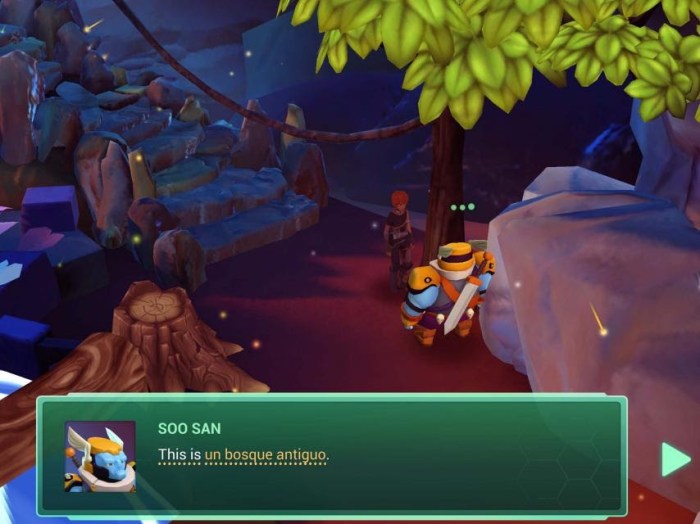
Language learning games are interactive tools designed to help individuals acquire new languages in a fun and engaging way. These games often incorporate elements of gamification, such as rewards, competition, and challenges, to motivate learners and enhance their language skills.
Examples of Popular Language Learning Games
- Duolingo: A widely-used language learning app that offers a variety of games and exercises to practice reading, writing, listening, and speaking skills.
- Memrise: Another popular language learning platform that uses gamified techniques to help users memorize vocabulary and grammar rules.
- Babble: This app offers interactive games and activities to teach users new languages through immersive experiences.
Benefits of Using Games for Language Acquisition
- Engagement: Games make the learning process more enjoyable and keep learners motivated to continue practicing.
- Repetition: Through repeated gameplay, users reinforce their language skills and improve retention of vocabulary and grammar concepts.
- Interactive Learning: Games provide a hands-on approach to language learning, allowing users to apply their knowledge in practical contexts.
- Personalized Learning: Many language learning games adapt to the user’s proficiency level and learning pace, providing a customized experience.
Education Definition
Education is the process of acquiring knowledge, skills, values, and attitudes through various methods. It is an essential tool for personal growth, social development, and economic progress in society.
Types of Education
- Formal Education: This type of education is structured and systematic, typically provided in schools and institutions following a curriculum. It leads to certifications or degrees recognized by authorities.
- Informal Education: Informal education occurs outside of traditional classroom settings. It includes learning from daily experiences, interactions, and observations.
- Non-formal Education: Non-formal education is organized and structured but does not necessarily lead to formal certification. It includes programs for skill development, adult education, and vocational training.
Education and Development
Education plays a crucial role in personal and societal development by:
- Empowering individuals with knowledge and skills to pursue their goals and aspirations.
- Fostering critical thinking, problem-solving, and creativity among learners.
- Promoting social cohesion, tolerance, and understanding in diverse communities.
- Driving economic growth and innovation through a knowledgeable and skilled workforce.
Education Essay
Education plays a crucial role in shaping individuals and communities, laying the foundation for a bright and prosperous future. It is not just about acquiring knowledge but also about developing skills, values, and attitudes that contribute to personal growth and societal progress.
Impact on Individuals
Education empowers individuals by providing them with the necessary tools to navigate the complexities of the world. It opens doors to opportunities, broadens perspectives, and equips individuals with critical thinking and problem-solving skills. Education also fosters personal development, self-confidence, and a sense of empowerment, enabling individuals to reach their full potential.
Impact on Communities
Education is the cornerstone of a thriving community. It enhances social cohesion, promotes inclusivity, and fosters a sense of belonging among community members. Educated communities are more resilient, innovative, and better equipped to address challenges and drive progress. Education also plays a vital role in reducing inequalities, promoting diversity, and building a more sustainable future for all.
Role in Shaping the Future
Education is instrumental in shaping the future of individuals and society as a whole. It prepares individuals for the demands of the modern world, enabling them to adapt to changing circumstances, pursue their aspirations, and contribute meaningfully to society. Education also instills values such as empathy, respect, and responsibility, shaping individuals into ethical and responsible citizens who can make a positive impact on the world.
Education Games
Education games have become a popular tool in educational settings due to their ability to engage students and enhance learning outcomes. By incorporating game elements into the learning process, educators can make lessons more interactive and enjoyable for students of all ages.
Examples of Educational Games
There are numerous educational games available across different subjects, catering to various learning styles and preferences. Some examples include:
- Math: Prodigy, Math Blaster, and Cool Math Games
- Language Arts: Scrabble, Reader Rabbit, and Grammar Ninja
- Science: The Magic School Bus, Oregon Trail, and Kerbal Space Program
- History: Civilization, Age of Empires, and Assassin’s Creed Discovery Tour
Comparison of Traditional Teaching Methods and Game-Based Learning Approaches
Traditional teaching methods often involve lectures, textbooks, and worksheets, which may not always be engaging for students. In contrast, game-based learning approaches leverage the power of gamification to create immersive and interactive learning experiences. Here are some key differences between the two:
| Traditional Teaching Methods | Game-Based Learning Approaches |
|---|---|
| Passive learning | Active participation |
| Standardized assessments | Immediate feedback |
| One-size-fits-all approach | Personalized learning experiences |
| Memorization of facts | Application of knowledge in real-world scenarios |
Education History

Educational practices have evolved significantly over the centuries, shaped by various historical events and milestones. Let’s delve into the history of education from ancient times to the modern-day.
Ancient Education
Ancient civilizations such as the Greeks, Romans, and Egyptians placed a strong emphasis on education, with a focus on subjects like mathematics, philosophy, and rhetoric. Education was often reserved for the elite class, and teaching methods relied heavily on oral tradition and apprenticeship.
Medieval Education
During the Middle Ages, education was primarily provided by religious institutions such as monasteries and cathedral schools. The curriculum focused on religious studies, Latin, and classical literature. The printing press revolutionized education by making books more accessible.
Renaissance and Enlightenment Era
The Renaissance period saw a revival of interest in art, science, and humanism, leading to the establishment of universities and the introduction of new subjects like anatomy and astronomy. The Enlightenment era further emphasized reason and critical thinking in education, paving the way for modern educational practices.
Industrial Revolution and Modern Education
The Industrial Revolution brought about significant changes in education, with the rise of compulsory schooling and the development of standardized curricula. The 20th century witnessed further reforms, including the introduction of progressive education theories and the integration of technology in classrooms.
Education Film
Movies have long been a popular medium for storytelling, and education is a common theme that filmmakers often explore. Through the portrayal of educational settings, teachers, students, and learning experiences, films have the power to influence society’s perception of learning.
Portrayal of Education in Popular Films
- Popular films often depict education as a transformative experience for characters, showing how learning can lead to personal growth and development.
- Teachers are frequently portrayed as inspirational figures who have a profound impact on their students’ lives, shaping their future and instilling important values.
- Students are shown facing various challenges and obstacles in their educational journey, highlighting the struggles and triumphs of the learning process.
Educational Themes in Movies
- Many films explore themes such as the pursuit of knowledge, the importance of curiosity and creativity, and the value of perseverance in the face of adversity.
- Learning is often depicted as a means of overcoming obstacles, breaking down barriers, and creating opportunities for personal and societal advancement.
- Education in films can also address social issues, cultural differences, and the power of education to bring about positive change in individuals and communities.
Impact of Educational Films on Society
- Educational films can shape society’s perception of learning by presenting diverse and thought-provoking narratives that inspire reflection and discussion.
- Positive portrayals of education in movies can influence attitudes towards teachers, students, and the value of education as a whole, promoting a culture of lifelong learning.
- By showcasing the transformative power of education, films have the potential to motivate viewers to embrace learning opportunities, pursue their goals, and make a positive impact on the world around them.
Education Banner
Education banners play a crucial role in schools and institutions by serving as visual aids to convey important information to students, teachers, and visitors. These banners are strategically placed in common areas to grab attention and communicate key messages effectively.
Purpose of Educational Banners
- Educational banners provide information about upcoming events, school achievements, and important announcements.
- They promote school spirit, values, and a sense of community among students and staff.
- Banners can highlight educational programs, extracurricular activities, and opportunities for students to get involved.
- They serve as a wayfinding tool, guiding individuals to specific locations within the school premises.
Examples of Information on Educational Banners
- Upcoming Events: Dates and details of school concerts, sports tournaments, or parent-teacher meetings.
- School Achievements: Recognition of student accomplishments, academic awards, or sports championships.
- Important Announcements: Changes in school policies, deadlines for submissions, or emergency procedures.
- Program Highlights: Information about STEM programs, arts workshops, or language courses available to students.
Effectiveness of Educational Banners
- Educational banners are highly effective in capturing attention and delivering messages quickly due to their visual nature.
- They reinforce important information through repetition and create a lasting impression on the audience.
- Banners can enhance the overall atmosphere of the school environment and contribute to a sense of belonging and pride.
- By utilizing vibrant colors, engaging designs, and concise text, educational banners can effectively communicate complex information in a simple and memorable way.
Education Counselor
An education counselor plays a crucial role in academic settings by providing guidance and support to students throughout their educational journey. They are trained professionals who assist students in making informed decisions about their academic and career paths.
Role of an Education Counselor
Education counselors help students explore their interests, strengths, and goals to develop a personalized academic plan. They provide information on educational programs, career options, and resources available to support students in achieving their academic success.
Importance of Counseling in Students’ Educational Journey
- Counseling helps students identify their strengths and areas for improvement, enabling them to set realistic goals and make informed decisions.
- Education counselors offer support and guidance during challenging times, helping students navigate academic, personal, and social issues.
- By assisting students in developing essential skills such as time management, study habits, and communication, education counselors contribute to their overall success and well-being.
Strategies Used by Education Counselors
- One-on-one counseling sessions to address individual student needs and concerns.
- Workshops and seminars on study skills, career exploration, and college admissions.
- Collaboration with teachers, parents, and other professionals to create a supportive environment for students.
- Utilizing assessment tools to help students understand their interests, aptitudes, and learning styles.
- Providing resources and referrals to support services within and outside the educational institution.
Education Degree
Obtaining an education degree is significant as it equips individuals with the necessary knowledge and skills to excel in the field of education. It provides a strong foundation for working with students of all ages and backgrounds, preparing educators to make a positive impact in the lives of their students.
Fields of Study within Education Degrees
Education degrees offer a wide range of specializations to cater to different interests and career goals. Some of the common fields of study within education degrees include:
- Early Childhood Education
- Elementary Education
- Secondary Education
- Special Education
- Educational Leadership
Potential Career Paths for Individuals with an Education Degree
Individuals with an education degree have various career opportunities available to them. Some potential career paths include:
- Teacher: Working in schools as a classroom teacher, guiding and educating students.
- School Administrator: Managing school operations, staff, and student activities.
- Educational Consultant: Providing expertise and guidance to schools and educational organizations.
- Educational Researcher: Conducting research to improve educational practices and policies.
- Curriculum Developer: Designing educational programs and materials for schools and institutions.
In conclusion, Language Learning Games open doors to a dynamic and interactive way of mastering languages, proving that education can be both fun and effective through innovative approaches. Dive into the world of language learning games and embark on a journey of linguistic discovery and growth.
Quick FAQs
How do language learning games enhance the learning process?
Language learning games make the process enjoyable, boost engagement, and improve retention through interactive and fun learning experiences.
Are there specific language learning games that are more popular than others?
Yes, popular language learning games include apps like Duolingo, Rosetta Stone, and Babbel, which offer interactive and engaging language learning experiences.
What are the benefits of using games for language acquisition?
Using games for language acquisition not only makes learning fun but also helps in improving vocabulary, grammar, pronunciation, and overall language skills in an enjoyable way.


