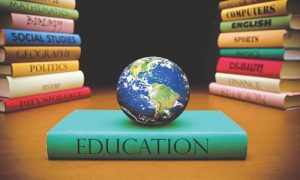
Embark on a journey into the realm of student learning through the power of essays, exploring how they elevate comprehension and foster critical thinking skills. Dive into this captivating discourse with a fresh perspective on education.
Delve deeper into the significance of essays in shaping students’ learning experiences and their impact on cognitive development.
Essay on Student Learning
Writing essays on student learning is crucial as it serves as a way for students to consolidate their understanding of a topic, demonstrate their knowledge, and enhance their critical thinking skills. Essays provide a platform for students to express their thoughts, analyze information, and present arguments in a structured manner.
Importance of Writing Essays
- Essays encourage students to delve deeper into a subject matter, leading to a more profound understanding.
- Writing essays helps students improve their writing skills, critical analysis, and ability to articulate their ideas effectively.
- Through essays, students can showcase their comprehension of a topic and apply theoretical knowledge to real-world scenarios.
Enhancing Student Comprehension
- When students write essays, they are required to research and gather information, leading to a broader perspective on the topic.
- By organizing their thoughts in a coherent manner, students can identify gaps in their understanding and work towards filling those gaps.
- Writing essays allows students to engage with the material actively, leading to better retention and application of knowledge.
Impact on Critical Thinking Skills
- Essays challenge students to think critically, evaluate evidence, and develop logical arguments to support their claims.
- By analyzing different perspectives and synthesizing information, students can enhance their problem-solving skills and decision-making abilities.
- Through writing essays, students learn to question assumptions, consider alternative viewpoints, and develop a more nuanced understanding of complex issues.
Education Definition
Educating is the process of acquiring knowledge, skills, values, and attitudes through various methods and experiences. It plays a crucial role in shaping individuals and societies.
Formal vs Informal Education
Formal education refers to structured learning within institutions like schools and universities, leading to recognized qualifications. In contrast, informal education occurs outside traditional settings, often through life experiences, interactions, and self-directed learning.
- Formal Education:
- Follows a structured curriculum
- Leads to recognized qualifications
- Usually takes place in institutions
- Has set learning objectives and assessments
- Informal Education:
- Occurs outside formal institutions
- Includes learning from daily experiences
- Often self-directed or driven by curiosity
- Can be lifelong and continuous
Evolving Nature of Education in the Digital Age
The digital age has transformed the landscape of education, offering new opportunities and challenges. Technology has revolutionized the way we learn, making education more accessible, interactive, and personalized.
- Advantages of Digital Education:
- Access to a wealth of information and resources online
- Interactive learning platforms and multimedia tools
- Flexibility in learning schedules and formats
- Global collaboration and communication
- Challenges of Digital Education:
- Digital divide and unequal access to technology
- Quality control and credibility of online information
- Distraction and information overload
- Privacy and security concerns
Education Essay
Essays play a crucial role in the education system by providing students with the opportunity to demonstrate their understanding of a subject matter, critical thinking skills, and ability to articulate their thoughts effectively. They serve as a tool for educators to assess students’ knowledge, analytical abilities, and writing proficiency.
Role of Essays in Education
Essays are effective in assessing students’ knowledge as they require students to research, analyze information, and present their findings in a coherent manner. This process helps students deepen their understanding of the topic, develop critical thinking skills, and enhance their ability to communicate ideas effectively.
Effectiveness of Essays in Assessment
- Essays allow students to demonstrate their comprehension of the material through written analysis and interpretation.
- They provide educators with insight into students’ thought processes, reasoning abilities, and mastery of the subject matter.
- Essays promote higher-order thinking skills such as evaluation, synthesis, and application of knowledge.
Examples of Essay Topics for Learning and Reflection
- Discuss the impact of technology on modern society.
- Analyze the role of education in shaping individuals’ beliefs and values.
- Reflect on a personal experience that significantly influenced your perspective on a particular issue.
Education Games

Incorporating educational games in the curriculum offers a wide range of benefits for students. These games provide a fun and interactive way for students to learn and retain information, making the learning process more engaging and effective.
Benefits of Educational Games
- Enhanced Problem-Solving Skills: Educational games often require students to think critically and solve complex problems, helping them develop valuable skills that can be applied in various real-life situations.
- Increased Engagement: Games make learning more enjoyable and engaging for students, leading to improved focus and motivation in the classroom.
- Personalized Learning Experience: Games can be tailored to individual student needs, allowing for personalized learning paths and targeted skill development.
- Immediate Feedback: Educational games provide instant feedback to students, allowing them to track their progress and make adjustments in real-time.
Popular Educational Games and Impact on Learning Outcomes
- Prodigy: Prodigy is a math-based game that helps students practice their math skills in a fun and engaging way. Studies have shown that students who regularly use Prodigy experience significant improvement in their math proficiency.
- Kahoot!: Kahoot! is a quiz-based game that promotes interactive learning and teamwork. It has been shown to increase student participation and knowledge retention in various subjects.
- CodeCombat: CodeCombat is a game that teaches coding skills through interactive gameplay. Students who engage with CodeCombat often develop a deeper understanding of programming concepts and problem-solving strategies.
- DragonBox: DragonBox is a series of educational games that teach algebraic concepts to students of all ages. By making algebra fun and accessible, DragonBox has been successful in improving students’ math abilities and confidence.
Education History
Education has a rich history that dates back to ancient times, evolving significantly over the centuries to shape the educational systems we have today. Let’s explore the key milestones in the development of education globally and how historical events have influenced current educational practices.
Ancient Education Systems
In ancient civilizations such as Mesopotamia, Egypt, Greece, and Rome, education was primarily reserved for the elite class. Students were taught subjects like mathematics, philosophy, and literature by private tutors or in schools established by wealthy individuals. The emphasis was on developing skills necessary for governance, leadership, and cultural appreciation.
Medieval Education
During the Middle Ages, education was centered around religious institutions like monasteries and cathedral schools. The curriculum focused on theology, Latin, and classical texts. The rise of universities in Europe, such as the University of Bologna and the University of Paris, marked a shift towards more formalized learning structures.
Renaissance and Enlightenment
The Renaissance period saw a revival of interest in classical learning and humanism, leading to the establishment of more schools and universities across Europe. The Enlightenment further emphasized the importance of reason, science, and critical thinking in education. Figures like John Locke and Jean-Jacques Rousseau laid the groundwork for modern educational theories.
Industrial Revolution and Modern Education
The Industrial Revolution brought about significant changes in education, with the rise of compulsory schooling and the development of public education systems. Reformers like Horace Mann in the United States and Friedrich Fröbel in Germany advocated for universal education and the importance of early childhood education. The 20th century saw further advancements in education with the introduction of new teaching methods, technology in the classroom, and a focus on inclusive education for all students.
Education Film
Education has been a recurring theme in popular films, with many movies exploring the challenges and triumphs within the education system. These films often depict the struggles faced by students, teachers, and administrators, as well as the impact of education on individuals and society as a whole.
Portrayal of Education in Popular Films
- Films like “Dead Poets Society” and “Stand and Deliver” showcase the transformative power of education and the influence of dedicated teachers on their students.
- Other movies like “Freedom Writers” and “To Sir, with Love” highlight the obstacles faced in underprivileged schools and the importance of empathy and understanding in the teaching profession.
- Comedies such as “School of Rock” and “Bad Teacher” take a more lighthearted approach to education, exploring unconventional teaching methods and the impact of inspirational figures in the classroom.
Influence of Educational Films on Perceptions about Learning
- Educational films have the power to shape public perceptions about learning by presenting diverse narratives and perspectives on education.
- These movies can inspire audiences to reflect on their own educational experiences and consider the value of education in personal growth and societal progress.
- By highlighting the challenges and triumphs within the education system, films can spark discussions about educational reform and the importance of supporting teachers and students in their academic journey.
Education Banner
Education banners play a crucial role in promoting educational institutions by attracting the attention of potential students, parents, and other stakeholders. These banners serve as visual tools to convey important information about the institution, its programs, achievements, and values.
When designing an effective educational banner, several key elements need to be considered. These include eye-catching visuals, concise and impactful messaging, relevant information such as contact details and website links, and a clear call to action. The design should be visually appealing, easy to read, and aligned with the branding of the educational institution.
Elements of an Effective Educational Banner Design
- Eye-catching visuals: Use high-quality images and graphics that capture the essence of the institution and its offerings.
- Concise messaging: Keep the text brief and to the point, focusing on key selling points and benefits.
- Relevant information: Include contact details, website links, social media handles, and any other pertinent information for interested individuals to learn more.
- Clear call to action: Encourage viewers to take the next step, whether it’s visiting the website, attending an open house, or applying for admission.
Examples of Successful Educational Banner Campaigns
One notable example of a successful educational banner campaign is the “Discover Your Potential” campaign by XYZ University. The banner featured vibrant colors, inspiring imagery of students engaged in various activities, and a compelling call to action to schedule a campus tour.
Another successful campaign was run by ABC College, which utilized interactive banners on social media platforms. These banners allowed users to click through to different program pages, watch videos, and engage with current students, resulting in increased website traffic and inquiries.
Education Counselor
An education counselor plays a crucial role in guiding students through their academic journey and providing support for their overall well-being. They are responsible for offering guidance on course selection, career planning, and personal development to help students achieve their academic and personal goals.
Responsibilities of an Education Counselor
- Assisting students in developing educational and career goals
- Providing information on academic programs and course requirements
- Offering guidance on study skills and time management
- Helping students navigate challenges and find solutions to academic problems
Impact of Counseling on Student Academic Performance
- Improved academic performance: Counseling helps students set clear goals and develop a plan to achieve them, leading to better academic outcomes.
- Enhanced motivation: By providing support and encouragement, education counselors can boost students’ motivation to succeed in their studies.
- Reduced stress and anxiety: Counseling sessions can help students manage stress and anxiety related to academic pressures, leading to improved mental health and well-being.
- Increased retention rates: Students who receive counseling support are more likely to stay enrolled in their academic programs and complete their studies successfully.
Tips for Aspiring Education Counselors
- Develop strong communication skills to effectively engage with students and understand their needs.
- Stay informed about educational trends and resources to provide up-to-date guidance to students.
- Show empathy and compassion towards students facing academic challenges to create a supportive and nurturing environment.
- Continuously seek professional development opportunities to enhance counseling skills and stay current in the field of education.
Education Degree
When it comes to pursuing a career in education, obtaining a degree is essential to gain the necessary knowledge and skills. There are different types of education degrees available, each with its own set of benefits and career opportunities.
Types of Education Degrees
- Bachelor’s Degree: A bachelor’s degree in education typically focuses on the fundamentals of teaching and classroom management. It provides a solid foundation for aspiring educators to enter the field and start their teaching careers.
- Master’s Degree: A master’s degree in education allows educators to specialize in a specific area such as curriculum development, educational leadership, or special education. This degree can lead to higher-paying positions and more advanced opportunities in the field.
- Doctoral Degree: A doctoral degree in education, such as a Ph.D. or Ed.D., is the highest level of education one can achieve in the field. It is ideal for individuals interested in research, academia, or leadership roles in education.
Benefits of Pursuing Different Education Degrees
- A bachelor’s degree provides a solid foundation for entry-level teaching positions and is typically the minimum requirement for becoming a licensed teacher.
- A master’s degree allows educators to specialize in a particular area of interest, advance their careers, and pursue leadership roles within schools or educational organizations.
- A doctoral degree opens up opportunities for individuals to conduct research, teach at the university level, or take on high-level administrative positions in education.
Career Opportunities for Individuals with an Education Degree
Individuals with an education degree have a wide range of career opportunities available to them. Some possible career paths include:
- Elementary, middle, or high school teacher
- Educational administrator or school principal
- Curriculum developer or instructional coordinator
- School counselor or education psychologist
- College or university professor
In conclusion, the transformative role of essays in student learning becomes apparent, paving the way for enriched educational experiences and enhanced cognitive abilities. Explore the realm of essay writing as a cornerstone of academic growth and intellectual development.
FAQ Compilation
How do essays impact student learning?
Essays enhance comprehension, foster critical thinking skills, and promote deep reflection.
What are some examples of essay topics that promote learning?
Topics that encourage critical analysis, reflection, and application of knowledge are beneficial for student learning.
Why are essays considered essential in education?
Essays provide a platform for students to express their understanding, showcase analytical skills, and engage in meaningful discourse.