
As Non-Formal Education takes center stage, this opening passage beckons readers into a world crafted with good knowledge, ensuring a reading experience that is both absorbing and distinctly original.
Non-Formal Education offers a dynamic approach to learning that goes beyond traditional boundaries, providing individuals with opportunities to acquire valuable skills and knowledge outside formal classroom settings.
Non-Formal Education
Non-formal education refers to structured educational activities that take place outside the formal schooling system. It is different from formal education, which occurs in traditional classrooms, and informal education, which happens through daily experiences and interactions. Non-formal education is often flexible, learner-centered, and aims to meet the specific needs of individuals or communities.Non-formal education plays a crucial role in today’s society by providing learning opportunities for people who may not have access to formal schooling or who need alternative forms of education.
It can help marginalized groups, such as adults, refugees, and people with disabilities, acquire new skills, knowledge, and competencies to improve their quality of life and participate more actively in society.
Examples of Non-Formal Education Programs and Initiatives
- The UNESCO Institute for Lifelong Learning (UIL) promotes non-formal education initiatives worldwide, focusing on adult education, literacy programs, and community learning centers.
- The Khan Academy offers free online courses and resources on a wide range of subjects, making education accessible to anyone with an internet connection.
- The Barefoot College in India trains rural women in solar engineering and other sustainable technologies, empowering them to bring positive change to their communities.
- The Peace Corps provides non-formal education programs in developing countries, emphasizing community development, language skills, and cross-cultural exchange.
Education Definition
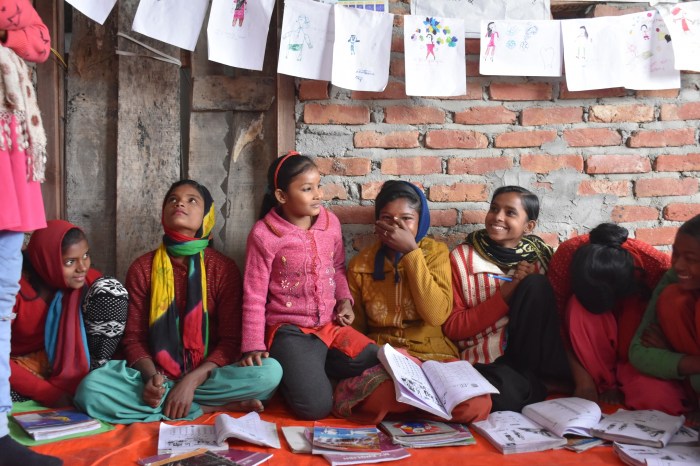
Education is the process of acquiring knowledge, skills, values, and attitudes that enable individuals to develop and grow. It plays a crucial role in shaping individuals and society, contributing to personal growth and societal development.
Formal, Non-Formal, and Informal Education
- Formal Education: This type of education is structured, systematic, and intentional, usually provided in schools and institutions following a curriculum. It leads to recognized qualifications such as diplomas and degrees.
- Non-Formal Education: Non-formal education is organized but not necessarily structured, providing learning opportunities outside the formal system. It includes programs like workshops, seminars, and vocational training.
- Informal Education: Informal education is incidental, spontaneous, and unstructured, occurring in daily life through experiences, interactions, and observations. It is often unintentional and does not lead to formal qualifications.
Education’s Contribution to Personal Growth and Societal Development
Education is essential for personal growth as it equips individuals with knowledge, skills, and values needed to succeed in life. It fosters critical thinking, creativity, and problem-solving abilities, enabling individuals to adapt to changing circumstances and pursue their goals.Societally, education plays a vital role in driving progress and development. It empowers individuals to contribute meaningfully to the economy, politics, culture, and society at large.
Education promotes social cohesion, reduces inequalities, and fosters innovation and technological advancements, leading to overall societal advancement and prosperity.
Education Essay
Educating individuals and communities is a powerful tool that has a lasting impact on society. Education not only provides individuals with knowledge and skills but also shapes their attitudes and beliefs. It plays a crucial role in empowering people and bringing about social change.
Impact of Education on Individuals
Education has a profound impact on individuals by equipping them with the necessary knowledge and skills to succeed in various aspects of life. It opens doors to opportunities and helps individuals make informed decisions. Education also fosters critical thinking and problem-solving abilities, enabling individuals to navigate challenges effectively.
Impact of Education on Communities
Education is essential for the development and progress of communities. It promotes social cohesion, tolerance, and understanding among community members. Educated communities are more likely to thrive economically, politically, and socially. Education empowers individuals within communities to advocate for change and contribute to societal well-being.
Role of Education in Shaping Knowledge, Skills, and Attitudes
- Knowledge: Education imparts valuable knowledge in various fields such as science, history, literature, and technology. It broadens individuals’ understanding of the world and encourages lifelong learning.
- Skills: Education equips individuals with practical skills that are essential for personal and professional growth. These skills include communication, critical thinking, problem-solving, and collaboration.
- Attitudes: Education influences individuals’ attitudes and beliefs, shaping their values and behaviors. It promotes empathy, respect, and a sense of social responsibility.
Education as a Tool for Empowerment and Social Change
Education empowers individuals by providing them with the knowledge and skills needed to pursue their goals and aspirations. It serves as a catalyst for social change by challenging existing norms and promoting equality and justice. Through education, marginalized groups can advocate for their rights and strive for a more inclusive society.
Education Games
Education games have proven to be a valuable tool in enhancing learning outcomes by making the educational experience more engaging and interactive for students. By incorporating game elements such as challenges, rewards, and competition, educational games can motivate learners to actively participate in the learning process and retain information more effectively.
One successful example of an educational game is “Prodigy,” a math-based game that helps students practice math skills through interactive gameplay. Another example is “Minecraft: Education Edition,” which allows students to explore and create in a virtual world while learning subjects like history, science, and coding.
Gamification in Education
- Gamification involves applying game design elements and principles to non-game contexts, such as education, to make learning more engaging and enjoyable.
- By incorporating elements like points, badges, leaderboards, and progress tracking, gamification can motivate students to achieve learning objectives and stay actively involved in the learning process.
- Studies have shown that gamification in education can lead to increased student motivation, participation, and overall academic performance.
Education History
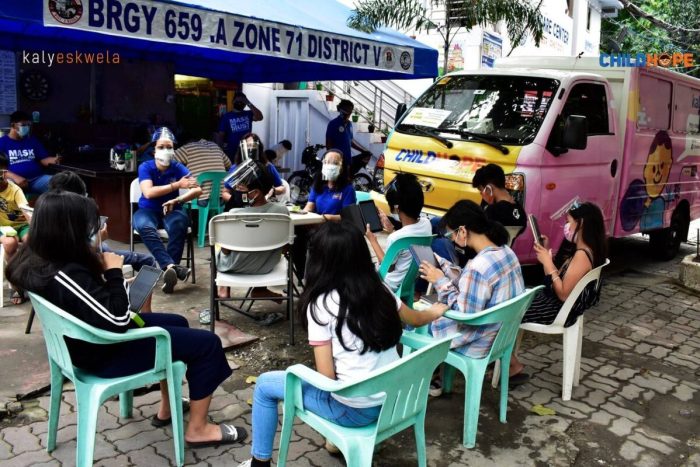
Education has a rich history that has evolved over time, shaped by various factors such as cultural, social, and technological advancements. Let’s explore the key milestones and developments in the history of education and how they have influenced modern educational practices.
Ancient Education Systems
In ancient civilizations such as Mesopotamia, Egypt, Greece, and Rome, education was primarily focused on training individuals for specific roles in society. The emphasis was on subjects like mathematics, philosophy, and rhetoric. Students were often taught by scholars or philosophers in small groups or individually.
Medieval Education
During the Middle Ages, education was largely controlled by the church, with monasteries and cathedral schools serving as centers of learning. The curriculum included subjects like theology, Latin, and the arts. Education was limited to the clergy and nobility, with little access for the common people.
The Renaissance and Enlightenment
The Renaissance period saw a revival of interest in art, literature, and science, leading to the establishment of universities and schools across Europe. The Enlightenment further emphasized the importance of reason, logic, and critical thinking in education. This era laid the foundation for modern educational principles.
Industrial Revolution and Modern Education
The Industrial Revolution brought significant changes to the education system, with the introduction of compulsory education, standardized curriculum, and mass schooling. Educational reforms aimed to prepare individuals for the demands of the industrialized world, focusing on practical skills and knowledge.
Digital Age and Online Learning
In the 21st century, advancements in technology have revolutionized education, making learning more accessible and personalized. Online platforms, virtual classrooms, and digital resources have transformed the way students learn and educators teach. The integration of technology continues to shape the future of education.
Education Film
Education has been a recurring theme in many films, influencing viewers’ perceptions about learning and the educational system. The portrayal of education in movies can have a significant impact on how people view the importance of education and the ways in which knowledge is acquired.
Portrayal of Education in Films
Many popular movies have depicted educational themes in various ways, showcasing the challenges and triumphs of students and teachers alike. These films often highlight the transformative power of education and the impact it can have on individuals and society as a whole.
- One common theme in education films is the portrayal of inspirational teachers who go above and beyond to make a difference in their students’ lives. Movies like “Dead Poets Society” and “Freedom Writers” showcase the transformative role teachers can play in shaping the lives of their students.
- Another prevalent theme is the importance of education in overcoming obstacles and achieving success. Films like “The Pursuit of Happyness” and “Good Will Hunting” demonstrate how education can be a powerful tool for personal growth and fulfillment.
- Additionally, some movies focus on the challenges and inequalities present in the education system, shedding light on issues such as access to quality education, socioeconomic disparities, and the role of privilege in academic success. Films like “Waiting for Superman” and “Precious” address these complex issues.
Impact of Films on Perceptions of Education
Films play a crucial role in shaping public perceptions about education and learning. The way education is portrayed in movies can influence how viewers understand the value of education, the role of teachers, and the impact of educational experiences on individuals.
Films have the power to inspire, challenge, and provoke thought about the educational system and the possibilities of learning. By showcasing diverse perspectives and narratives, movies can spark important conversations about the importance of education in society.
Education Banner
Banners play a crucial role in educational institutions and events by effectively communicating important messages to students, staff, and visitors. They serve as a visual tool to promote literacy, awareness, and educational campaigns, creating a welcoming and informative environment within the educational setting.
Significance of Banners in Education
- Encouraging reading and literacy: Banners with motivational quotes, book recommendations, or reading challenges can inspire students to develop a love for reading.
- Raising awareness: Educational banners can highlight important issues such as mental health awareness, diversity and inclusion, environmental conservation, and other relevant topics.
- Promoting educational events: Banners are used to advertise school fairs, science exhibitions, art shows, and other educational events to encourage participation and engagement.
Design Elements and Messages on Educational Banners
- Color scheme: Bright and engaging colors are often used to attract attention and create a lively atmosphere.
- Images and graphics: Illustrations related to education, such as books, pencils, globes, or school buildings, are commonly incorporated to visually represent the message.
- Clear and concise text: Educational banners usually include short and impactful messages that convey information effectively to the audience.
Education Counselor
Education counselors play a crucial role in guiding students through their academic journey, providing support, advice, and resources to help them succeed. They assist students in setting educational goals, making informed decisions about their academic path, and overcoming any challenges they may face along the way.
Role of an Education Counselor
Education counselors provide personalized guidance to students, helping them understand their strengths, interests, and career aspirations. They help students explore different academic and career options, develop study skills, and create academic plans to achieve their goals. Additionally, counselors offer assistance with college applications, financial aid, and other aspects of the educational process.
- Conducting assessments to identify students’ strengths and areas for development.
- Providing information about educational programs, career opportunities, and academic requirements.
- Offering individual and group counseling to address academic, personal, and social issues.
- Collaborating with teachers, parents, and other professionals to support students’ academic success.
Skills and Qualifications
To become an education counselor, individuals typically need a master’s degree in counseling or a related field. Strong communication, interpersonal, and problem-solving skills are essential for this role. Counselors should also have a deep understanding of academic and career development principles, as well as the ability to work with diverse student populations.
Empathy, active listening, and a non-judgmental approach are key qualities for effective education counselors.
Tips for Students
Students seeking support and advice from education counselors should be proactive in reaching out for help. It’s important to communicate openly about your goals, challenges, and concerns to receive personalized guidance. Additionally, students should actively participate in counseling sessions, follow through on action plans, and take advantage of the resources offered by their counselor.
- Be prepared to discuss your academic goals, interests, and any obstacles you may be facing.
- Ask questions and seek clarification on any information or advice provided by your counselor.
- Take ownership of your educational journey and actively engage in the counseling process.
- Follow up on action items and recommendations to make progress towards your goals.
Education Degree
Obtaining a formal education degree is crucial in today’s job market as it provides individuals with the necessary knowledge, skills, and credentials to excel in the field of education. Employers often look for candidates with relevant degrees to ensure they are well-equipped to meet the demands of the job.
Types of Education Degrees
- Bachelor’s Degree: A bachelor’s degree in education typically prepares individuals for entry-level teaching positions. It covers foundational topics in education and pedagogy.
- Master’s Degree: A master’s degree in education offers a more in-depth study of educational theories, practices, and research. It can lead to specialization in areas like curriculum development, educational leadership, or special education.
- Doctoral Degree: A doctoral degree, such as a Ph.D. or Ed.D., is the highest level of education degree in the field. It focuses on advanced research, leadership, and policy development in education.
Career Opportunities with an Education Degree
Individuals with an education degree have a wide range of career opportunities available to them. Some common career paths include:
- Teacher: Educators with a degree in education can work in K-12 schools, colleges, universities, or other educational settings.
- Educational Administrator: With advanced degrees, individuals can pursue roles as principals, superintendents, or other administrative positions in schools and districts.
- Educational Consultant: Education professionals can also work as consultants, offering expertise in curriculum development, teacher training, or educational technology.
In conclusion, Non-Formal Education serves as a powerful tool for personal development and societal progress, offering innovative pathways to learning that cater to diverse needs and aspirations. Embracing this inclusive form of education can truly transform lives and empower communities.
Clarifying Questions
What are the key differences between formal, non-formal, and informal education?
Formal education follows a structured curriculum and leads to recognized qualifications, while non-formal education is flexible and caters to diverse learning needs. Informal education is spontaneous and occurs in everyday life.
How does non-formal education benefit individuals in today’s society?
Non-formal education equips individuals with practical skills, fosters creativity, and promotes lifelong learning, enhancing personal development and employability.
Are there specific examples of successful non-formal education programs worldwide?
Yes, initiatives like vocational training workshops, community-based literacy projects, and online skill development courses are just a few examples of effective non-formal education programs being implemented globally.


