
Learning Through Films sets the stage for this enthralling narrative, offering readers a glimpse into a story that is rich in detail and brimming with originality from the outset. From using films as educational tools to exploring their impact on learning outcomes, this topic delves into a captivating blend of entertainment and education.
As we navigate through the diverse landscape of educational films and their role in addressing social issues, the essence of visual storytelling in enhancing the learning experience becomes vividly clear.
Learning Through Films
Films can be powerful educational tools that engage students and enhance learning experiences. By combining visual and auditory elements, films can effectively communicate complex concepts and bring subjects to life in a way that textbooks often cannot. This visual storytelling medium can stimulate critical thinking, spark discussions, and create memorable learning moments for students of all ages.
Examples of Educational Films Across Different Subjects:
- In science, documentaries like “March of the Penguins” can illustrate animal behavior and environmental adaptations.
- For history, films such as “Schindler’s List” provide a powerful portrayal of World War II events.
- Mathematics concepts can be demonstrated in movies like “Hidden Figures,” showcasing the work of NASA mathematicians.
- Literature adaptations like “To Kill a Mockingbird” can bring classic novels to life and deepen students’ understanding of the text.
Impact of Visual Storytelling on Learning Outcomes:
Visual storytelling through films can enhance comprehension, retention, and engagement among students. The combination of audiovisual elements helps learners process information more effectively, leading to improved knowledge retention. Additionally, films can evoke emotions, create empathy, and stimulate critical thinking skills by presenting real-world scenarios in a compelling manner. Overall, the impact of visual storytelling on learning outcomes is profound, making films a valuable addition to educational strategies.
Education Definition

Education is the process of acquiring knowledge, skills, values, and attitudes through various methods such as teaching, training, or research. It plays a crucial role in shaping individuals and societies by providing the necessary tools for personal and intellectual development.
Formal vs. Informal Education Systems
Formal education refers to structured learning provided in institutions like schools and universities, following a specific curriculum and leading to recognized qualifications. On the other hand, informal education occurs outside traditional settings, often through life experiences, interactions with others, or self-directed learning.
Key Components of a Well-Rounded Educational Experience
- Curriculum: A well-designed curriculum ensures a comprehensive coverage of subjects and skills.
- Qualified Teachers: Educators who are knowledgeable, skilled, and passionate about teaching are essential.
- Resources: Access to resources like textbooks, technology, and facilities enriches the learning experience.
- Engagement: Active participation and engagement in learning activities foster understanding and retention of knowledge.
- Evaluation: Regular assessments and feedback mechanisms help monitor progress and identify areas for improvement.
Education Essay
Essays play a crucial role in the education system, serving as a fundamental tool for students to demonstrate their understanding of a subject matter through written expression.
Importance of Essays in Developing Critical Thinking Skills
Essays are essential in fostering critical thinking skills among students by requiring them to analyze information, form arguments, and present their ideas in a coherent and logical manner.
- Essays encourage students to research and investigate a topic thoroughly, promoting independent thinking and problem-solving skills.
- Through the process of writing essays, students learn to evaluate different perspectives, develop their own opinions, and defend their viewpoints with evidence and reasoning.
- By engaging in essay writing, students enhance their ability to think critically, creatively, and analytically, which are valuable skills for academic success and personal growth.
Role of Essays in Assessing Students’ Understanding
Essays serve as a reliable method for educators to assess students’ comprehension and mastery of a subject, providing insights into their knowledge, interpretation, and application of course material.
- Through essays, educators can evaluate students’ ability to articulate concepts, demonstrate comprehension, and communicate ideas effectively.
- Essays allow educators to assess students’ critical thinking skills, problem-solving abilities, and capacity for logical reasoning in response to academic prompts.
- By analyzing essays, educators can gauge students’ depth of understanding, analytical skills, and capacity to engage with course material at a higher cognitive level.
Education Games
Educational games have become a popular tool in enhancing the learning experience for students of all ages. These games offer a unique approach to education by combining fun and interactive elements with educational content, making learning more engaging and enjoyable.
By incorporating educational games into the curriculum, students can benefit in various ways:
Benefits of Educational Games
- Improved Retention: Educational games help students retain information better as they are actively engaged in the learning process.
- Enhanced Problem-Solving Skills: Games often require critical thinking and problem-solving, which can help students develop these essential skills.
- Increased Motivation: The interactive and competitive nature of games can motivate students to learn and achieve better results.
- Personalized Learning: Games can be tailored to individual student needs, allowing for a more personalized learning experience.
Popular Educational Games and Their Impact
- Math Blaster: This game helps improve math skills through fun and challenging activities, making learning math more enjoyable for students.
- Typing.com: By gamifying the typing learning process, this game enhances students’ typing skills and accuracy.
- Word Munchers: This game focuses on vocabulary building and reading comprehension, helping students enhance their language skills in an engaging way.
Gamification in Education
- Enhanced Engagement: Gamification in education increases student engagement by making learning more interactive and enjoyable.
- Immediate Feedback: Games provide instant feedback, allowing students to learn from their mistakes and improve in real-time.
- Progress Tracking: Gamified systems often include progress tracking, motivating students to achieve goals and monitor their advancement.
Education History
Education has a rich history that has evolved over centuries, shaping the way we learn and teach today. From ancient civilizations to modern educational systems, the history of education is a fascinating journey through time.
Ancient Education Systems
In ancient civilizations such as Mesopotamia, Egypt, Greece, and Rome, education was reserved for the elite class. Knowledge was passed down orally, focusing on subjects like philosophy, mathematics, and rhetoric. Schools were often private and exclusive, with a strong emphasis on memorization and recitation.
Medieval Education and the Rise of Universities
During the Middle Ages, education was primarily provided by religious institutions like monasteries and cathedral schools. The establishment of universities in Bologna, Paris, and Oxford marked a significant shift towards formal education. Subjects like theology, law, and medicine became prominent, laying the foundation for modern academia.
The Renaissance and Enlightenment Period
The Renaissance period saw a resurgence of arts, sciences, and humanism, leading to a broader curriculum that included literature, history, and the natural sciences. The Enlightenment further emphasized reason, critical thinking, and the importance of education for all individuals, not just the privileged few.
Industrial Revolution and Modern Education
The Industrial Revolution transformed education, with the rise of compulsory schooling and the development of public education systems. Innovations in teaching methods, such as the Montessori and Dewey approaches, revolutionized the way students learn. Today, technology plays a crucial role in education, with online learning platforms and virtual classrooms shaping the future of learning.
Education Film
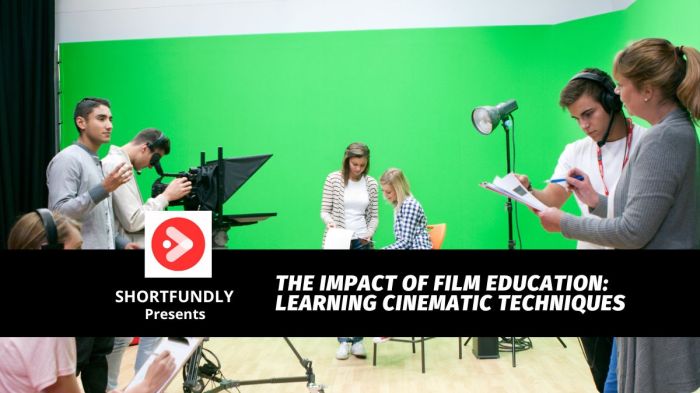
Films play a crucial role in educational settings by engaging students visually and emotionally, making complex topics more accessible and memorable. They have the power to evoke empathy, spark discussions, and provide a unique perspective on various subjects.
Role of Films in Education
Films can effectively communicate educational content in an engaging and entertaining way, catering to different learning styles. They can bring historical events to life, demonstrate scientific concepts, and showcase cultural diversity, enhancing students’ understanding and retention of information.
- Documentaries like “March of the Penguins” educate viewers about the life cycle of penguins and the challenges they face in their environment.
- The film “Dead Poets Society” inspires students to think critically, challenge norms, and pursue their passions in education.
Addressing Social Issues and Promoting Empathy
Films have the power to address social issues such as discrimination, poverty, and environmental sustainability, allowing students to connect emotionally with the characters and themes portrayed. By witnessing different perspectives and experiences through film, students can develop empathy, compassion, and a deeper understanding of the world around them.
- The movie “The Hate U Give” addresses racial injustice and police brutality, sparking conversations about systemic racism and empathy towards marginalized communities.
- “Freedom Writers” showcases the transformative power of education in overcoming adversity and promoting unity among diverse groups.
- Animated films like “Coco” celebrate cultural traditions and explore themes of family, identity, and remembrance, fostering cultural appreciation and empathy among students.
Education Banner
Education banners serve as visual tools to communicate important information about educational events, initiatives, or institutions. They are designed to attract attention, convey key messages, and promote engagement with the target audience.
Purpose and Design of Educational Banners
Educational banners should be visually appealing, easy to read, and informative. They should incorporate relevant images, colors, and text to effectively communicate the intended message. The design should be consistent with the branding of the educational institution or event.
- Use high-quality images that are relevant to the educational content being promoted.
- Choose colors that are eye-catching but still align with the overall theme of the banner.
- Include concise and clear text that conveys the main message effectively.
- Ensure that the design is visually balanced and not cluttered with too much information.
Tips for Creating Effective Educational Banners
- Keep the message simple and focused to avoid overwhelming the audience.
- Include a call to action to encourage engagement and participation.
- Consider the placement of the banner to maximize visibility and reach the target audience.
- Regularly update banners to reflect current events, initiatives, or promotions.
Using Banners to Promote Educational Events or Initiatives
Educational banners can be utilized to raise awareness about upcoming events, new courses, workshops, or other educational initiatives. By strategically placing banners in high-traffic areas or online platforms, institutions can effectively reach their target audience and generate interest and participation.
Education Counselor
An education counselor plays a crucial role in guiding students through their academic journey, providing support, advice, and resources to help them achieve their educational goals.
Importance of Counseling Services
Education counseling services are essential for academic success as they help students navigate challenges, set goals, and make informed decisions about their education.
- Providing guidance on course selection and academic planning.
- Assisting students in developing study skills and time management strategies.
- Addressing personal and emotional issues that may impact academic performance.
- Offering career counseling and exploration to help students make informed decisions about their future.
Tips for Aspiring Education Counselors
For those aspiring to become education counselors, here are some tips on how to effectively support students:
- Develop strong communication and listening skills to understand students’ needs and concerns.
- Stay current on educational trends and resources to provide up-to-date guidance.
- Build trust and rapport with students to create a safe and supportive environment for counseling sessions.
- Collaborate with parents, teachers, and other school staff to ensure a holistic approach to student support.
- Continuously seek professional development opportunities to enhance counseling skills and knowledge.
Education Degree
Obtaining an education degree can open up various career opportunities in the field of education. Let’s explore the different types of education degrees available and the impact they can have on professional growth.
Types of Education Degrees
There are several types of education degrees that individuals can pursue, each with its own set of requirements and career paths:
- Bachelor’s Degree in Education: This degree typically prepares individuals for entry-level teaching positions in schools. It usually involves coursework on teaching methods, curriculum development, and classroom management.
- Master’s Degree in Education: A master’s degree can lead to advanced teaching positions, curriculum development roles, or educational leadership positions. It often includes specialized coursework in a particular area of education.
- Doctorate in Education (Ed.D. or Ph.D.): A doctoral degree in education is ideal for those interested in research, academia, or high-level administrative roles in education. It involves in-depth research and the completion of a dissertation.
Requirements and Career Paths
Each type of education degree has specific requirements and can lead to different career paths:
- Bachelor’s Degree: Typically requires completion of a teacher preparation program and passing a licensing exam. Career paths include elementary, middle, or high school teaching positions.
- Master’s Degree: Requires a bachelor’s degree and often teaching experience. Career paths may include curriculum specialist, instructional coordinator, or school administrator.
- Doctorate Degree: Requires a master’s degree, research experience, and the completion of a dissertation. Career paths include university professor, educational researcher, or educational consultant.
Impact on Professional Opportunities
Earning an education degree can have a significant impact on professional opportunities in the field of education:
- Increased Job Opportunities: Having an education degree can open up more job opportunities in education settings, including schools, colleges, and educational organizations.
- Higher Earning Potential: Individuals with higher education degrees in education tend to have higher earning potential compared to those with lower levels of education.
- Career Advancement: Education degrees can pave the way for career advancement opportunities, such as moving into leadership roles, conducting research, or teaching at the university level.
In conclusion, Learning Through Films not only opens new avenues for learning but also fosters creativity, critical thinking, and empathy among students. By embracing the power of visual narratives, education transcends traditional boundaries and embraces a dynamic approach to knowledge acquisition.
Clarifying Questions
How can films enhance the educational experience?
Films provide a unique way to engage students, stimulate critical thinking, and promote empathy by presenting complex ideas in a visual format.
What are some examples of educational films across different subjects?
Examples include “Hidden Figures” for STEM education, “Schindler’s List” for history, and “Dead Poets Society” for literature.
How do educational games contribute to learning?
Educational games make learning fun, improve retention of information, and enhance student engagement through interactive experiences.


